
Stages of Alzheimer’s Care for Seniors Aging in Place
Alzheimer’s home care involves managing symptoms and ensuring safety for seniors aging in place, with family and caregivers adapting to changing needs as the disease progresses.

Alzheimer’s home care involves managing symptoms and ensuring safety for seniors aging in place, with family and caregivers adapting to changing needs as the disease progresses.

Learning as much as possible about the stages of dying can be helpful for family caregivers when they face this time.
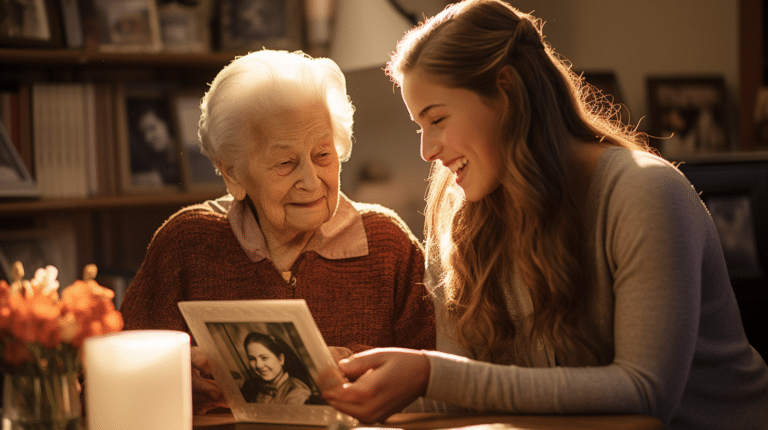
Companion care at home provides essential social interaction for seniors living alone, promoting their mental and physical health while alleviating family caregiver stress.

Becoming a family caregiver is an honor, but it can also be really frightening sometimes. Home care services help family caregivers address areas where they need more help.

Diabetes can cause foot skin problems in the elderly, making personal care at home essential to prevent infections due to nerve damage and mobility issues.

Home care assistance helps seniors improve sleep by guiding them on the best foods and drinks to consume for restful nights, addressing dietary impacts on sleep.

24-hour home care enables seniors with medical conditions to safely remain in their homes, providing constant support and peace of mind for families.
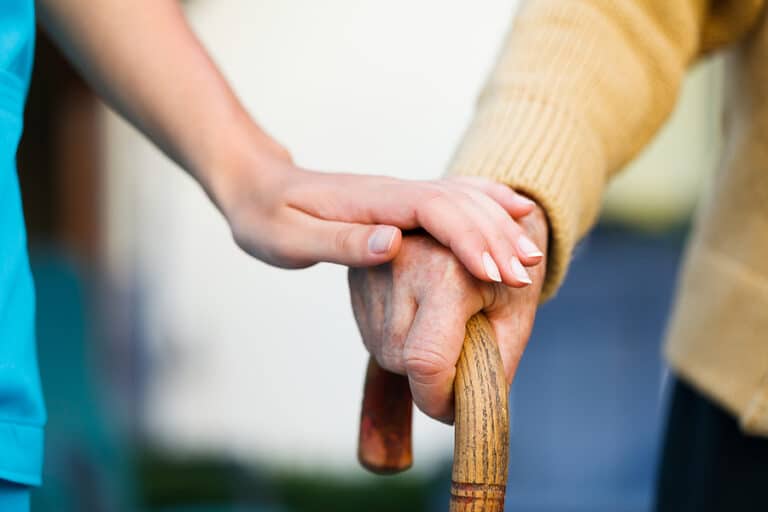
There are a lot of misunderstandings about complicated conditions like dementia. Many people wonder if it can be reversed so seniors don’t have to face these challenges. Alzheimer’s care offers support, but there still isn’t a cure.

In-home care providers alleviate stress for seniors by accompanying them to medical appointments and ensuring they have everything needed for a smooth visit.

Having a conversation about driving less with a loved one can be challenging, but introducing companion care at home services can help seniors maintain their independence while addressing necessary changes.