Why Seniors Are Prone To Bruising
Personal care at home helps seniors maintain healthier skin, support collagen, and manage age-related bruising with daily hygiene and skincare support.

Personal care at home helps seniors maintain healthier skin, support collagen, and manage age-related bruising with daily hygiene and skincare support.

In-home care helps seniors age safely at home, offering trusted support and long-term relationships that ensure comfort, stability, and peace of mind.

The challenge with caregiving is often for family caregivers to be there for their aging family members while also meeting their other obligations. Home care can help.

Companion care at home helps seniors protect their vision health with support for appointments, medications, safety, and daily healthy habits.

Parkinson’s disease brings a lot of challenges, so it’s important to know what helps. Nutrition is a big part of daily wellness, and having help with managing nutrition means families can keep up with their family members’ needs.

Simple changes, steady routines, and a supportive presence make home safer—so aging parents stay independent while families enjoy real peace of mind.

In-home care helps seniors feel comfortable asking for help, easing vulnerability and promoting better health and well-being through compassionate support.

Home care helps seniors understand and manage multiple medications with clear, personalized support that promotes safety and independence at home.

Home care can help seniors manage migraine triggers, reduce episodes, and enjoy more comfort, independence, and connection in daily life.
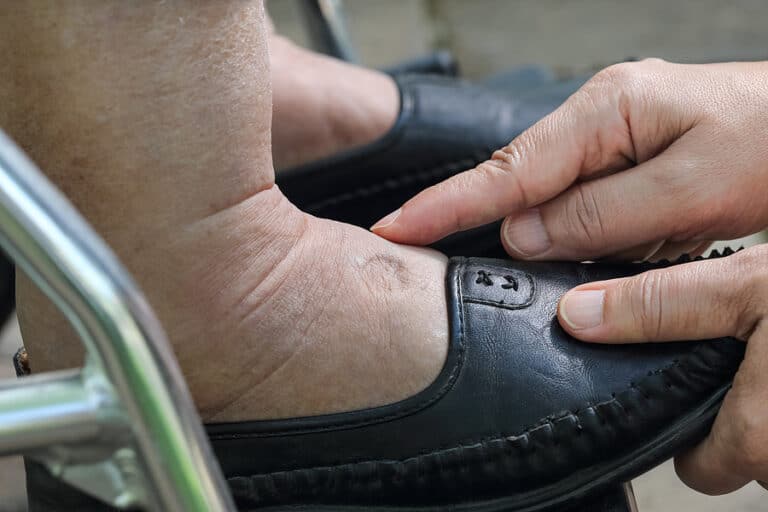
Home care assistance helps seniors manage and monitor edema by offering daily support, promoting prevention, and encouraging communication with healthcare providers.