
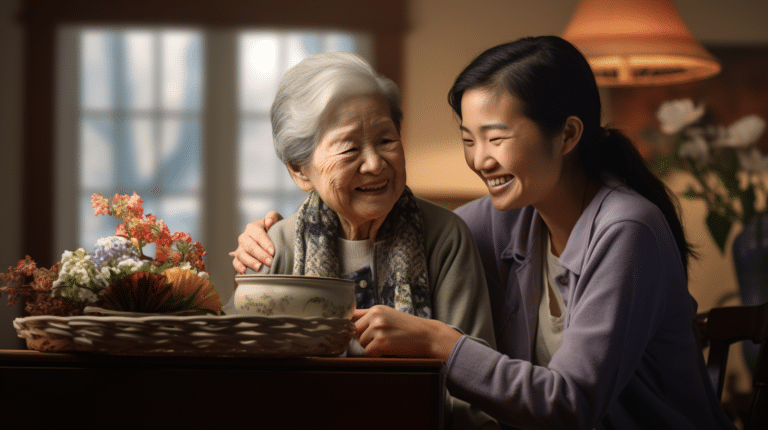
Across the country, there are millions of seniors with the same dream of aging in place. For many, it is about maintaining their routines, their space, and their sense of self as much as it is about their physical well-being. However, simply wanting to age in place doesn’t equal success. It takes support, such as companion care at home, to ensure seniors have the assistance they need to fully enjoy their independence.
What Companion Care Looks Like
Companion care is neither personal care nor medical care. It’s a different category entirely—built on human connection, light assistance, and a steady presence. Companion care at home providers often share meals with the seniors in their care, assist with errands, offer friendly conversation, or provide gentle reminders about an upcoming appointment.
Essentially, companion care at home is meant to fill the gaps that loneliness, limited mobility, and other changes brought on by medical or cognitive conditions create, not to take the place of the senior’s own voice in how their day unfolds.
Promoting Independence
Unfortunately, many seniors believe that asking for help means giving up control. Companion care at home providers hope to change that narrative by helping seniors understand that their assistance frees up their energy and confidence to handle the things that matter most to them.
For example, a senior who has difficulty driving can still make decisions about where to go and when—a caregiver just helps them get there. Even if grocery shopping is a chore, seniors can still decide what goes on the list. These may seem like small details, but to many older adults, they are the difference between feeling capable and feeling dependent.
It is also worth noting that companion caregivers are trained to take their cues from the senior. They provide help on the senior’s terms, not based on a rigid schedule imposed from outside sources.
Privacy at Home
Inviting a stranger into one’s home isn’t always easy. This is particularly true for seniors who feel as if they’re struggling to remain independent. The good news is that companion care at home providers understand this. For this reason, they sit back and allow seniors to take the wheel, knowing that trust will come over time as long as there is consistency and respect.
Another important piece of the puzzle is understanding how caregivers are matched with seniors, their training, and what screening the home care agency completed. Seniors and their loved ones should feel comfortable asking these questions. Doing so can help streamline the transition and ensure seniors continue to feel at ease in their home.
The most effective companion care at home relationships are built on mutual respect. Caregivers bring patience, reliability, and warmth. Seniors bring experience, preferences, and the right to direct their own lives. Together, they form a partnership that reduces isolation without reducing autonomy.
For families wondering how to best help an aging loved one, companion care at home offers a reassuring middle ground—meaningful help that never loses sight of the person at the center of it all.
If you or an aging loved one needs Companion Care at Home in Carmichael, CA, contact A Better Living Home Care today (916) 514-7006
Sources:
- https://www.waldenu.edu/online-doctoral-programs/phd-in-human-services/resource/helping-the-elderly-maintain-independence
- https://www.agingcare.com/articles/aging-with-dignity-193276.htm
- https://taking.care/blogs/resources-advice/promote-independence-in-the-elderly

- When Your Parent’s Feet Suddenly Won’t Move: Understanding Parkinson’s Freezing Episodes at Home - October 23, 2026
- What Is Decision Fatigue and How Does it Affect Family Caregivers? - October 16, 2026
- When a Senior’s Needs No Longer Fit Into a Predictable Schedule - October 8, 2026